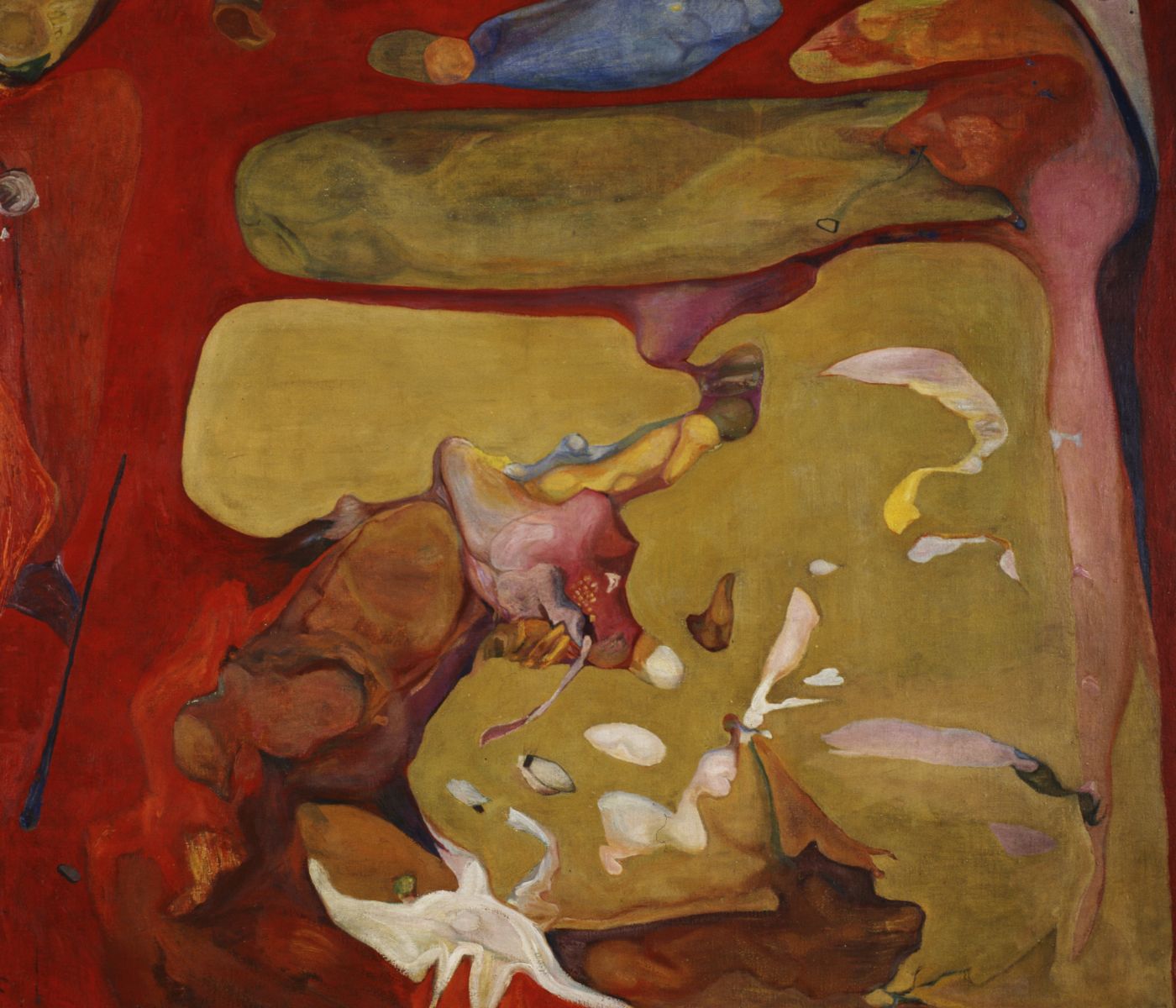

Between Magical Marxism and Heresy: The Progressive Spirituality of Natalia LL
Issue 44 (2026) of the journal “Widok. Theories and Practices of Visual Culture” featured an article by Kamila Dworniczak entitled Between Magical Marxism and Heresy: The Progressive Spirituality of Natalia LL.
***
In her analysis of the genealogy of contemporary feminism, Mona Chollet posits that magic can be conceptualised as a “weapon of the oppressed”. This assertion is made on the basis that magic functions as a tool for the recreation of alter-globalist communities in an era characterised by the deepening of late capitalist crisis. It is evident that the act of valuing irrationality does not constitute a reactionary gesture; rather, it engenders the emergence of novel emancipatory possibilities. The confluence of magic and politics, manifested as “progressive spirituality,” serves as the foundational principle of this alliance, which is further enriched by feminist and queer practices.
In light of the reflections put forward by Chollet, as well as those of other intellectuals and researchers such as Silvia Federici, Starhawk, and Katarzyna Szopa, it is pertinent to pose the question of why subjects such as spirituality and magic are infrequently addressed within the context of reflections on the Polish female art scene. Szopa’s work highlighted the presence of “witches” in the context of Polish women’s poetry during the period of the People’s Republic of Poland. These witches, as depicted in the literary works, were often associated with themes of revolution and melancholy. However, similar thematic explorations within the domain of art history remain conspicuously absent.
Concurrently, witchcraft was a fundamental element of artistic practices. The spiritual inclinations and practices of Natalia LL, a prominent figure in feminist genealogy, are inherently complex and challenging to interpret within the contemporary context. However, they constitute an integral component of her unique conceptualisation of “doing gender”. The objective of this study is to explore whether enhancing the legibility of these works while simultaneously engaging with them in a serious manner facilitates an examination of the often disregarded tropes of female artistic expression within the context of socialist Poland. It is important to consider whether these recognitions have the potential to engender a novel approach to the practice of art history, one that could be considered heretical in nature. The objective of the article was to stimulate reflection based on the responses to the aforementioned questions.