
Kamila Dworniczak, PhD
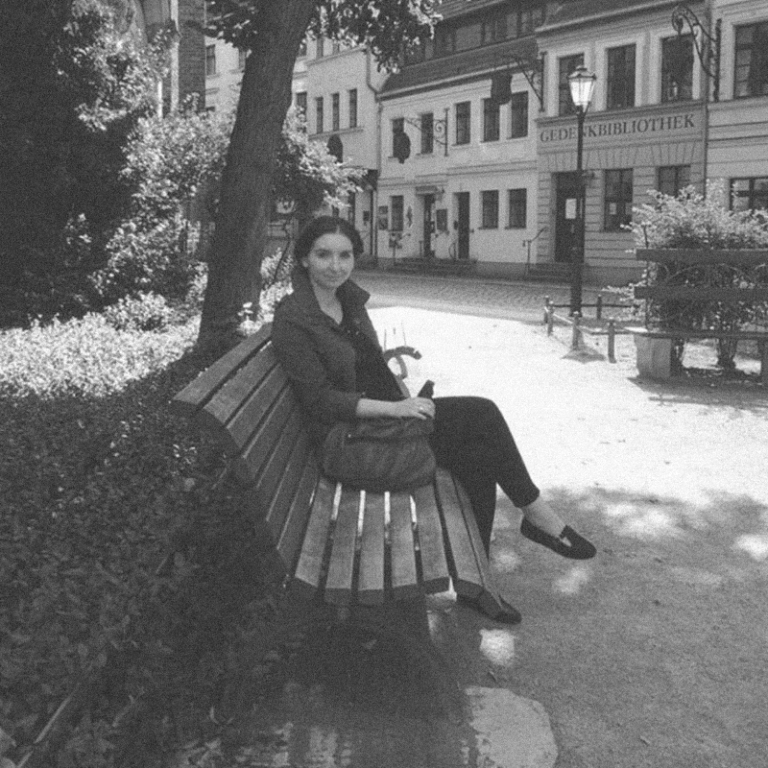
Kamila Dworniczak, PhD – principal investigator. Assistant professor at the Department of Art Theory, Institute of Art History of the University of Warsaw, where she teaches history of photography, methodology of art history and history of contemporary art in Poland. Her research interests focus on theoretical and cultural perspectives on photography, art writing and intermedia practices in art of the communist period. Author of the book ‘Rodzina człowiecza. Reception of The Family of Man exhibition in Poland and the humanist paradigm of photography’ (Warsaw 2021). Co-editor of anthologies of source texts, most recently a book dedicated to the relationship of photographers and art critics, ‘Gliwice Intimate Feuilleton. Zofia Rydet’s and Jerzy Lewczyński’s Relations with Alfred Ligocki, Urszula Czartoryska and Jerzy Busza’ (with Maria Franecka; Gliwice 2024). As part of this research project, she investigates, among other things, the significance of alternative spirituality for the understanding of post-war realism, themes concerning photography and irrationality, and the relationship between word and image in spirituality-based artistic practices.
Justyna Balisz-Schmelz, PhD
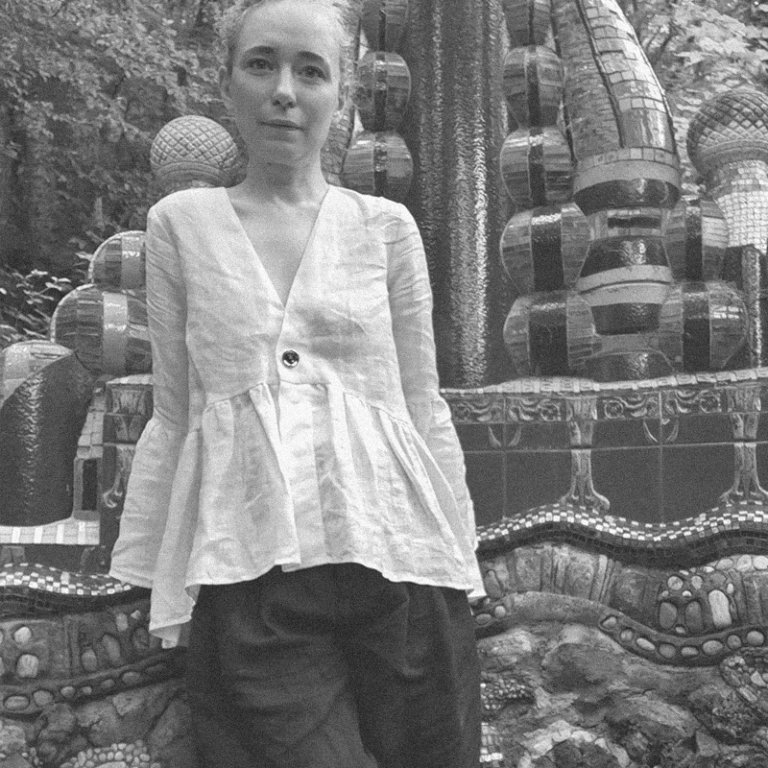
Justyna Balisz-Schmelz, PhD – co-author and main co-investigator of the project. She studied art history at Jagiellonian University in Krakow, Humboldt University, and Freie Universität in Berlin. Assistant professor at the Department of the History of Modern Art at the Institute of Art History, University of Warsaw, where she teaches the history and methodologies of contemporary art and their relation to alternative spiritualities. A member of the Central and Eastern European Network for the Academic Study of Western Esotericism (CEENASWE), Working Group Europe’s Representations of India: Texts, Images, and Encounters (ESIND) and the research group MITEMI -Interdisciplinary Studies on Myth, Time, Space, and Memory. Her previous research has focused primarily on German post-1945 art within the context of cultural memory studies as well as German-Polish artistic relations. She is an author of the book “Przeszłość niepokonana. Sztuka niemiecka po 1945 jako przestrzeń i medium pamięci” [The Unsourmountable Past: The German Post-1945 Art as the Space and Medium of Memory, Kraków, Universitas, 2018]. Her interest in esotericism and art began in 2021, when she wrote an essay for the catalogue of the retrospective exhibition “Urszula Broll: Atman Means Breath” at Królikarnia / National Museum in Warsaw. Her current research focuses on alternative spiritualities in post-1945 Polish and German art, with a particular emphasis on postwar abstraction in the FRG and on art and spirituality in the GDR. She is also working on a spiritual and artistic monograph devoted to the Silesian artist Urszula Broll. As part of the project, she investigates, among other things, the relationships between alternative spiritualities and art from the perspective of cultural borderlands, as well as the influence of Jungian psychology and Eastern spiritual traditions on concepts and functions of the image in postwar Poland, and on the understanding of the relationship between vision and cognition in Polish modernism.
Karolina Zychowicz, PhD
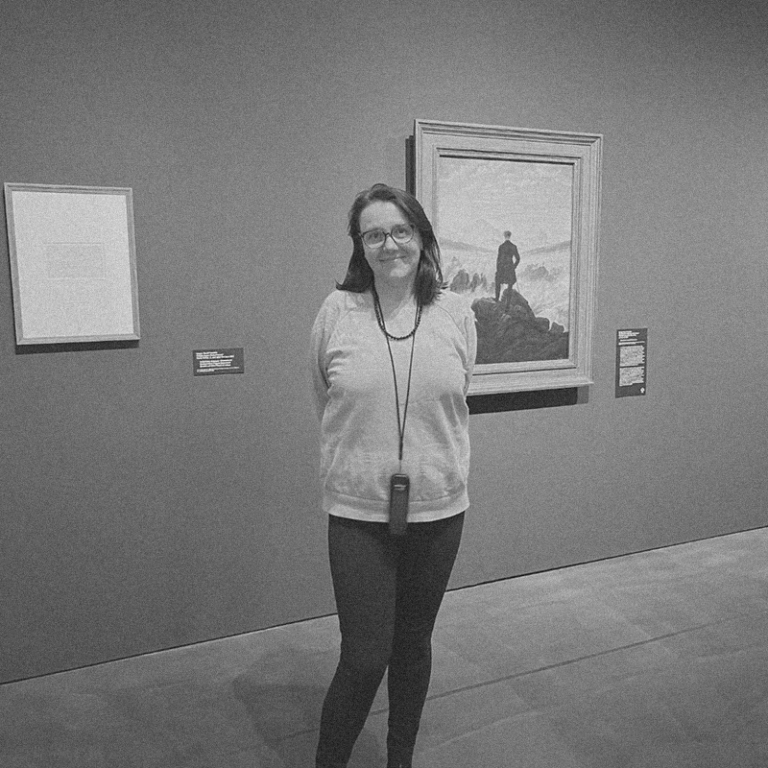
Karolina Zychowicz, PhD – art historian, assistant professor at the Institute of Art History at the University of Wrocław and the Institute of Visual Arts at the University of Zielona Góra. In 2011-2023 she worked at the Zachęta National Gallery of Art. Author of the books “Paris Left in Stalinist Warsaw: an exhibition of contemporary French visual arts at the CBWA in 1952” (Warsaw 2014), “Nadia The Constructor. Art and Communism by Chodasiewicz-Grabowska-Léger” (Kraków 2019), editor of the anthology “Art and Friends. Selected Writings of Danuta Wróblewska” (Warsaw 2021).
![Henryk Błachnio, Peak [Szczyt], 1976, 150x85cm © Courtesy of the artist’s family](https://alternative-spirituality-in-art.ihs.uw.edu.pl/wp-content/uploads/2025/02/700px-x-600px-–-1.jpg)

